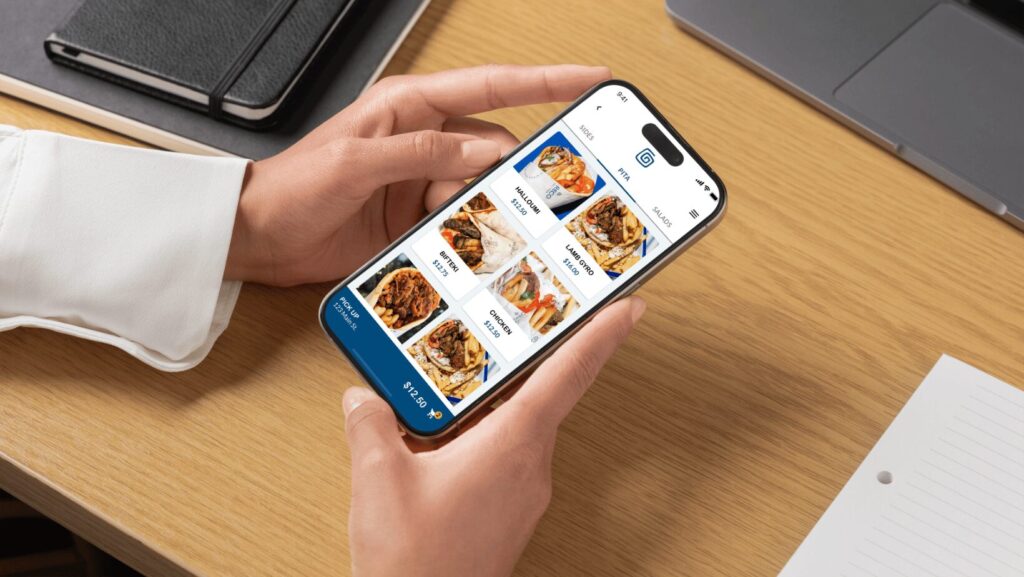
In the early days of restaurant apps for online ordering, development options were limited.
Most restaurants would have to hire a team of developers to create a custom app for them — an expensive and time-consuming choice. Now, there are way more options for restaurant app development, including third-party platforms that help you stretch your dollar farther.
But do you really need to develop a restaurant app? Where do you even start? And how do you know what option is right for you?
In this blog, we’ll guide you through all things related to restaurant app development, from why you should invest in app development and how to get started, to the different paths you can take and how to tell which one’s right for you.
Why You Should Invest In Restaurant App Development
Tons of restaurant owners have invested in app development over the past few years and for good reason. From better customer experiences to boosting loyalty, here are just a few of the benefits you can see when you invest in a restaurant app.
Enjoy smoother, faster operations
A strong restaurant app can streamline your operations from end to end, getting orders from your app to the kitchen to your customers’ hands faster and more accurately.
→ See how Sips Coffee improved their ordering process with Craver x Fresh KDS
Create better customer experiences
A restaurant app can help you deliver a better experience for your customers, with easy-to-use features like order ahead and custom branding that help things feel like you.
→ See how Dalina’s app simplifies the order-ahead process while keeping things on-brand
Boost digital/online orders
With a restaurant app, you can boost the number of online orders you receive, reaping all the benefits of online ordering, like increased revenue, reduced lines, and faster service speed.
→ See how Empire Coffee’s app shifted ordering habits, with 50% now coming through the app
Improve in-store efficiencies
A restaurant app can help achieve efficiencies across all parts of your business, from reducing the staff needed to take orders to simplifying order fulfilment and reducing errors.
→ See how Rook Coffee’s app helped reduce front-of-house staffing needs during peak hours
Strengthen customer loyalty
Your restaurant app can help strengthen customer loyalty, not only through rewards programs but also through personalized upsells, push notifications, and exclusive discounts.
→ See how Hometown’s app gets customers to spend more and buy more frequently
Restaurant App Development: Where to Start
Now that you know why restaurant app development is so important, it’s time to figure out how to actually get started. Here are the six steps to start developing your own restaurant app.
1. Set your goals
The first step in restaurant app development is figuring out why you want an app.
Do you want to boost customer loyalty? Make ordering ahead easier? Streamline orders from the customer to the kitchen? Set goals ahead of time so you can make sure your new app is aligned every step of the way.
2. Decide which features you want
Once you know your “why” for starting restaurant app development, you need to decide what features you want your app to have.
You can pick and choose what features your restaurant app has, but there are a few must-have features that every good restaurant app has — like mobile ordering, POS integrations, a loyalty program, push notifications, and more.
→ Check out our blog on the all-time best restaurant apps for some inspiration as you’re planning out your own app.
3. Choose the right path
The third step in restaurant app development is picking the right “route” for your business.
There are two primary options here: You can either build a custom restaurant app in-house or you can go external with a third-party platform. There are pros and cons to each (which we’ll break down below), but you’ll have to decide which one is right for you before moving on.
4. Connect your existing systems
Once you’ve picked your path and started developing your restaurant app, it’s time to connect your existing systems.
You’ll need to integrate your restaurant’s POS system, your online ordering system, and whatever other software your restaurant uses regularly to make sure your app works with your entire operation from start to finish.
→ Want to take your restaurant’s software to the next level? Check out our blog about the best tech stacks for small teams.
5. Test your restaurant app
At this stage in restaurant app development, your app is almost ready to launch to the public. But, before you do that, it’s a good idea to test your restaurant app with your staff.
This helps you iron out any issues ahead of time, so you can make sure everything is working properly and up to standard before customers start using it. It also gives your staff a chance to get familiar with the app, so they can help customers with basic troubleshooting after launch.
6. Launch your restaurant app
This is the final step in restaurant app development: launching your brand-new app!
At this stage, you’ll want to start marketing your app to your customers. There are tons of different ways you can do this, from posting on social media to creating QR codes for customers to download while they’re in-store. The more eyes on your new app, the better!
→ Check out our blog on restaurant app launch best practices to make your app kickoff the best it can be.
Comparison Of Restaurant App Development Paths (With Pricing)
As mentioned above, there are two main paths you can take for restaurant app development.
The first option is building in-house.
This looks like hiring a team of tech experts to create an app specifically for you. The good thing about this option is that you’ll own every part of this process, so it’ll be 100% “yours.” The less good part is that you’ll also be responsible for every part of this process, from coding and design to launch and promotions.
The second option is going with a third-party app platform (like Craver).
This looks like working with an external team of professionals, using their existing “base” app and customizing it based on your restaurant’s logo, menu, branding colors, etc. With this option, you don’t have to deal with any of the logistics — you’ll have a support team at the ready to answer questions and handle technical issues.
Here’s a quick overview of the main differences between in-house and third-party restaurant app development.
| In-House | Third-Party Platform | |
| Price | $$$$ | $ (Usually subscription-based) |
| Speed | 6-12 months | 2-4 weeks |
| Maintenance | You have to fix things if/when they break | They fix things if/when they break |
| Branding/features | Unlimited options | Template-based options |
| Integrations | Custom-built | Pre-configured |
Which Restaurant App Development Path Should You Pick?
So, how can you figure out which restaurant app development path is right for you and your business? Try answering the following questions to guide your answer.
1. How quickly do I need a functioning restaurant app?
- If you want to be taking orders in a few weeks, use a third-party platform.
- If you aren’t in any rush and you’ve got a year, build a custom app.
2. What is my budget for restaurant app development?
- If you have a low budget and would rather pay a small monthly fee, use a third-party platform.
- If you’ve got a pretty hefty budget and don’t mind spending upfront, build a custom app.
3. Do I have a “one-of-a-kind” app idea that nobody else has done?
- If no, use a third-party platform.
- If yes, build a custom app.
Craver’s Restaurant App Guide
Ready to start brainstorming what you want your restaurant app to have?
Our App Guide For Coffee Shops & Restaurants includes everything you need to build, launch, and actually grow your app, all in one place.
What you’ll learn:
- How to identify the specific problems you’re solving with an app, and how to determine the features you need.
- The differences between building an app in-house or using a third-party platform, focusing on what fits your budget and how fast you want to launch.
- A step-by-step plan for testing the app with staff and using marketing to drive downloads.
FAQs
Why should I build my own app if I’m already on DoorDash or UberEats?
How much does it cost to keep the app running after it’s built?
How much does it cost to hire a developer to make an app?