When McDonald’s launched the restaurant industry’s first self-service kiosk in 2016, they accomplished two things.
One, they created a judgment-free way to order as many Jr. Chickens as your heart desires.
(…not that I would know anything about that.)
And two, they unwittingly started an industry-wide obsession with restaurant automation.
(Or perhaps it was done very wittingly, considering how long that obsession has lasted.)
Now, the restaurant automation hype is stronger than ever.
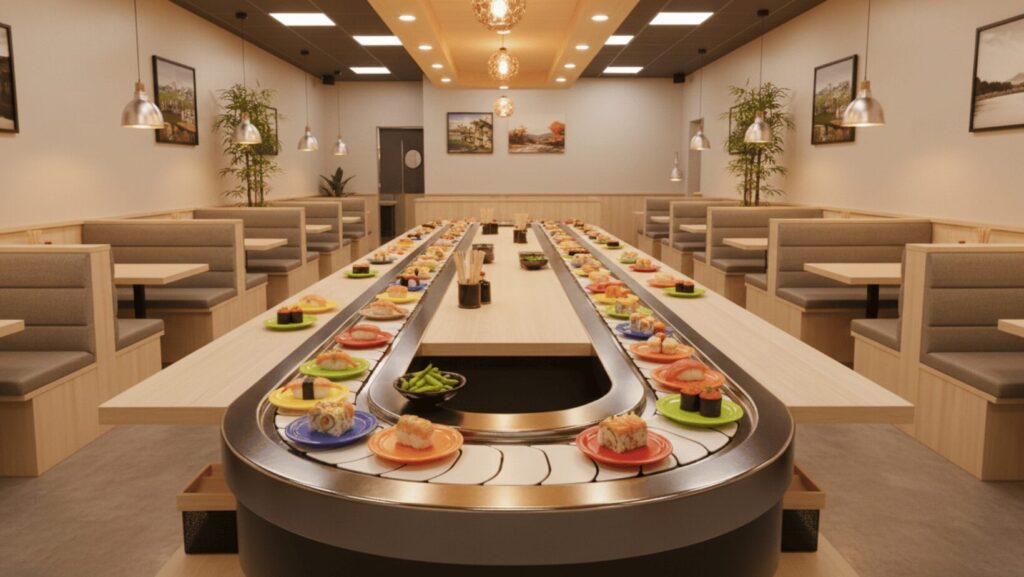
Restaurants are finding new and exciting ways to automate, from speeding up self-service with conveyor belts to streamlining food prep with automated digital makelines.
And, we’re even watching automation history being made in real-time, with fully automated restaurants becoming less of a “Jetson’s-only” thing and more of an actual reality.
(Which we’ll talk more about in a bit.)
So, if you’ve decided 2026 is your year to jump on the automation train, you’re in the right spot.
Here’s everything you need to know about restaurant automation.
What is Restaurant Automation?
Restaurant automation is when you use tech-powered solutions to complete — and improve — different areas of your restaurant’s operations.
But what those “improvements” look like in practice is totally up to you!
You can use restaurant automations to improve whatever operational areas you see fit, whether that’s making things faster, easier, more efficient, all of the above, or none of the above.
Ultimately, how your restaurant uses automation depends on what your customers want, what your restaurant needs, and what automated solutions exist that meet both criteria.
Here are a few popular examples of what restaurant automation can look like.
- Automated ordering
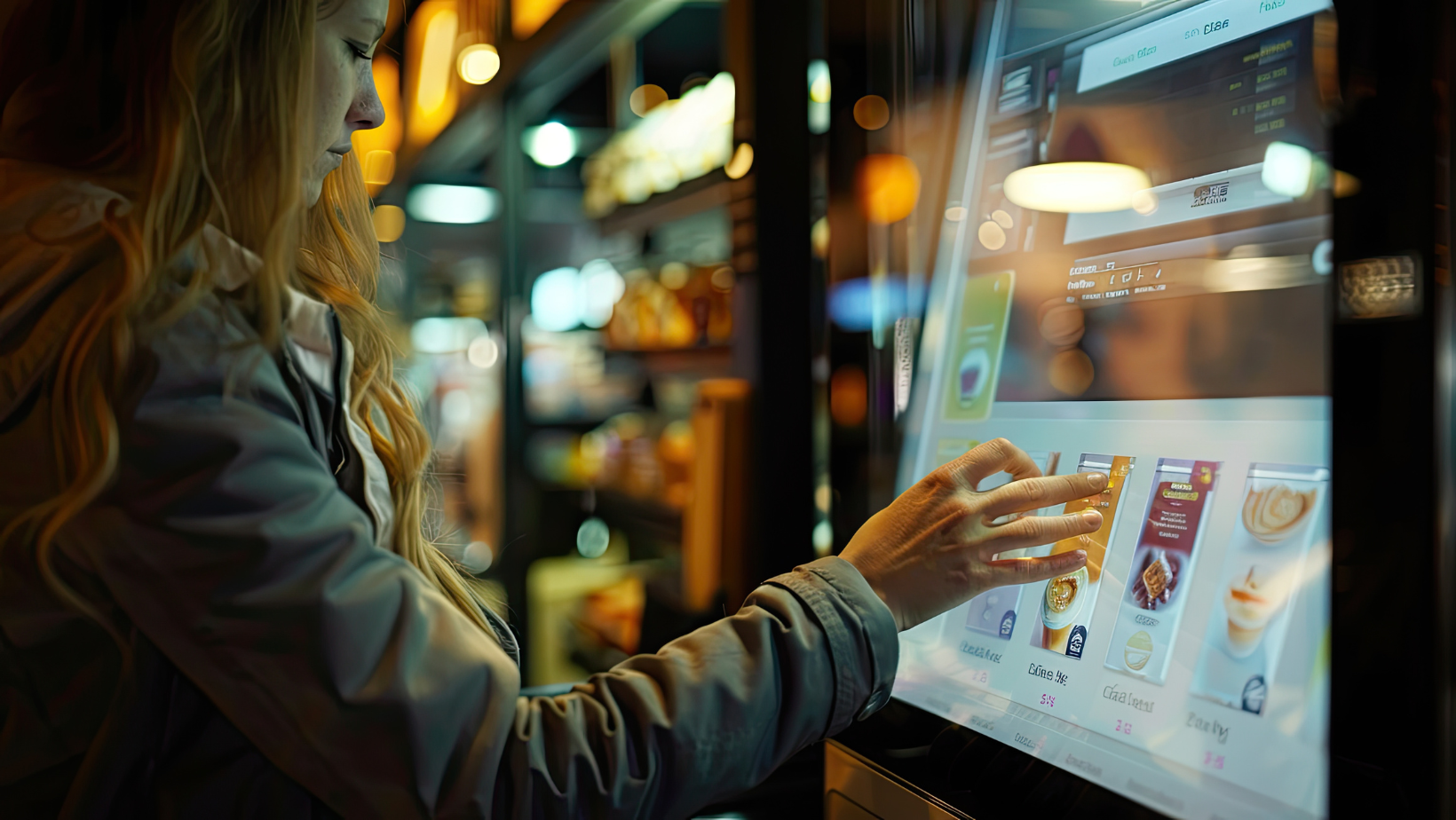
- Self-serve kiosks
- Mobile apps
- Automated food prep
- AI “employees”
- Robotic cooking systems
- Automated customer services
- Chatbots
- AI voice assistants
- Automated inventory management
- AI-powered stock tracking
- Digital ordering systems
- Automated staffing
- AI-powered traffic/labor prediction
- Schedule creation and management
- Automated marketing
- Data-driven product recommendations
- AI-powered upsells and promotions
→ If you want more info about AI-powered automations, check out this blog post!
Why is Restaurant Automation Important?
The reason restaurant automation is so important depends on who you ask.
If you ask diners, it’s important because they want speed, efficiency, and ease.
In May 2025, PAR Technology surveyed over 1,000 US consumers to learn more about their restaurant tech preferences.
Respondents said they believe restaurant AI and tech could “significantly speed up the ordering process,” especially for takeout and delivery (48%). They also noted reduced wait times and more accurate orders as two other key benefits of restaurant automation and tech, with 44% saying they’d most likely visit a restaurant using AI for ordering and billing specifically (with human support available for questions).
Then, if you ask restaurant owners, automation is important because it makes their job (and their employees’ jobs) easier, saves them time and money, and makes customers happier, too.
Automated kitchen management systems — like the “Chipotlanes” Chipotle is expanding next year — can save you and your employees from tedious, time-consuming, easy-to-mess-up tasks like manual inventory monitoring or reordering.
Automations have shown savings in the food-waste department, too. Certain AI-powered automations offer solutions like waste reporting and reduction n, helping your team prep just enough and throw out way, way less.
Restaurant owners have also leaned on automation support for staffing. While some people (incorrectly) assume that automation is intended to replace human employees, it actually makes their jobs easier and more enjoyable. Automation relieves your employees from tasks that are boring as all get out, empowering them to do more meaningful, “human-only” things like customer service and support.
So, why is restaurant automation important? Because:
- Diners want better, faster, more efficient restaurant experiences, and
- Restaurant owners want stronger bottom lines and happier repeat customers.
(…not because it’s supposed to replace employees with high-speed robots, okay?)
Can You Fully Automate a Restaurant?
We just saw the range of benefits even small-scale restaurant automation can offer your customers, your employees, and you, as the owner.
But what if you could take those automation-led improvements to the next level?
What if you completely freed up employees so they could do bigger, better, more human things?
What if you could fully automate your restaurant’s operations?
Well, the restaurant world isn’t there quite yet…
But Kuri Revolving Sushi Bar tells us we’re pretty dang close.
Kura Revolving Sushi Bar: A Mostly Automated Restaurant
Kura Sushi started out very small.
Back in the 70s, Kunihiko Tanaka was selling vinegar to sushi restaurants in Japan when he noticed the industry wasn’t going in the direction he thought it should be — quality control was poor, pricing was inconsistent, and the food was too expensive.
So, Tanaka decided to do something about it.
In 1970, he opened the very first Kura Sushi restaurant. In 1996, he founded Kura Corp., a firm that “[aimed] to bring sushi to the masses” through technological advancements. In 2009, Kura Sushi’s first American location opened in Irvine, CA.
Since then, Kura Sushi has become “the country’s largest revolving sushi bar chain,” boasting 70 locations across 19 states… and it’s not just because their sushi is good.
Kura Sushi is “one of the most robot-enhanced restaurant chains in the [US],” with just about every part of the customer experience powered by tech or totally automated.
Kur-B the KuraBot delivers drinks and condiments to customers’ tables. Back-of-house robots handle tedious kitchen tasks like washing and cooking rice. And a constantly-moving conveyor belt puts sushi directly in the hands of customers.
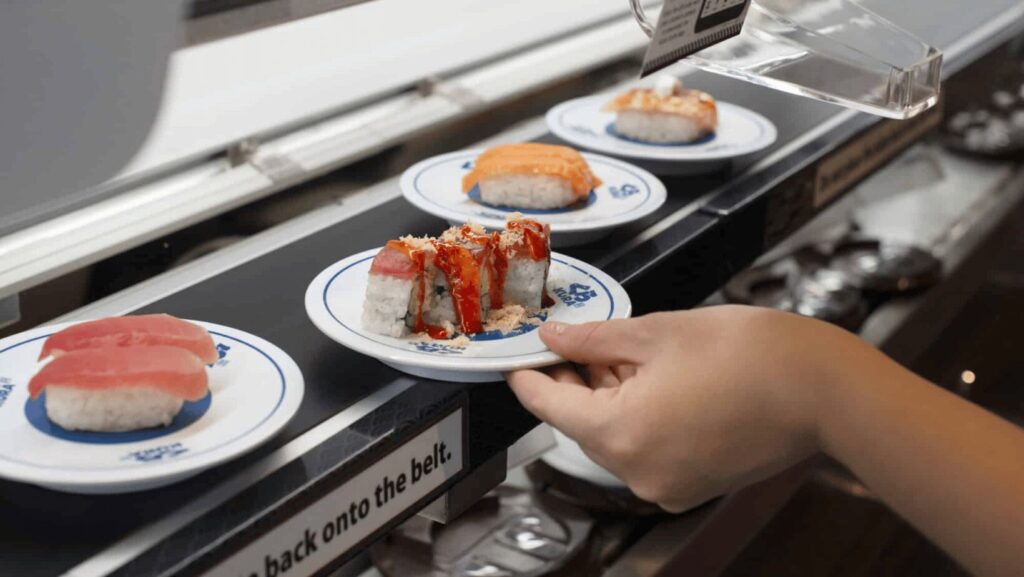
They’ve also got some of the most affordable pricing in the sushi market.
Kura Sushi has a goal of charging 50% less than their competitors as often as possible, something the brand’s CEO, Hajime Uba, says is only possible “because of the incredible efficiencies [they] have from [automation].”
Kura Sushi’s tech isn’t just for the customers, though.
Front- and back-of-house operations have a ton of gadgets that help them stay on track, like a “QR scan plate system” that helps with forecasting and waste reduction, and a plate-removing robotic arm that removes empty plates and “[keeps] disposal rates as low as 3%.”
And, according to the brand’s Q4 2025 earnings call, those automation-forward choices are doing good things for Kura Sushi. Total sales grew by $33M, labor costs decreased by 0.3%, and they’ve got a brand-new robotic dishwasher on the way that’s set to improve labor costs by another 0.5%!
So, is a fully automated restaurant possible right now?
We’re not sure.
But thanks to Kura Sushi, we know that a mostly automated restaurant is very possible — and can be very successful, too.
How Restaurants Should Start with Automation
Ready to start adding automation to your restaurant or cafe?
At Craver, we’ve got just the thing to help.
(Actually… we’ve got a few things!)
Craver’s online ordering for restuarants platform and custom-branded mobile apps are great options for automating your ordering process, making it easy for customers to place orders that they know will be accurate.
Automated ordering also frees your employees from standing at a POS all shift, empowering them to focus on more important things (like top-shelf customer service). And, because Craver integrates with all leading payment processors and POS systems, app and kiosk orders are sent directly to your kitchen — no employee intervention is necessary.
If delivery is more your jam, we’ve got that covered, too. Craver integrates with third-party delivery apps like DoorDash and Uber Eats, giving your at-home customers the same seamless experiences as your in-store diners.