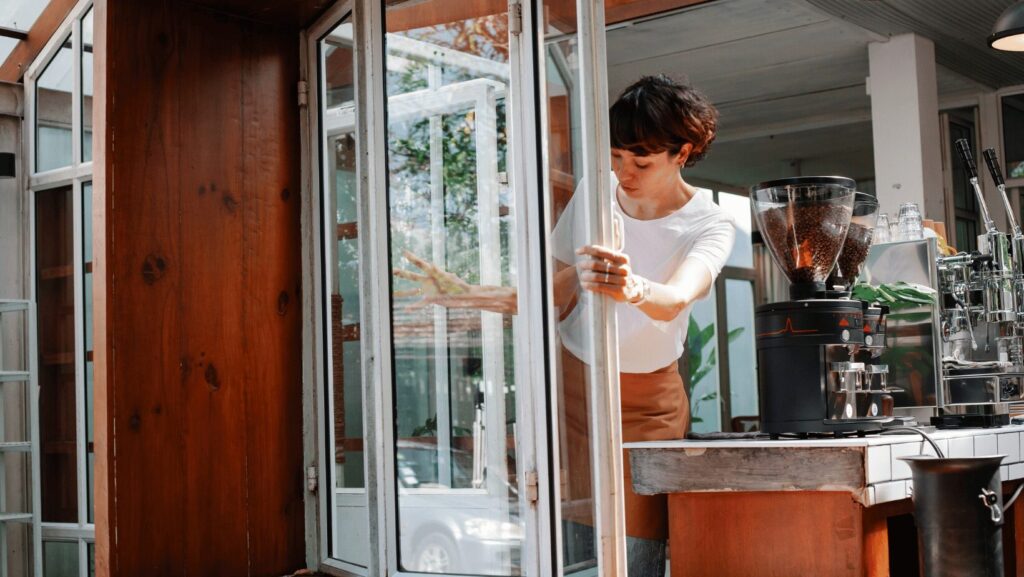
Why Starting a Coffee Shop Can Be a Smart Business Move
Today’s coffee industry is booming.
Coffee is America’s most popular drink, with ~195M adults enjoying at least one cup of joe weekly. What’s more, people are now seeking out third spaces (like coffee shops!) to reconnect with their communities and beat loneliness.
So, if you’ve been debating whether now is the right time to pursue your dream of opening a coffee shop, consider this your “yes” — and your how-to guide.
In this blog, we’ll show you how to start a coffee shop step by step, from market research and startup costs to picking a location and hiring skilled baristas. We’ve also created a free business plan template to make that step a little easier once you’re there.
Let’s dive in.
1. Research Your Market and Define Your Coffee Shop Concept
The first step in opening a coffee shop is doing market research to see where your coffee shop fits in the existing market — and how you want it to stand out.
Start by conducting competitor and market analysis, exploring current coffee shops (and their operations), and how you can fill the gaps that existing businesses aren’t addressing. This step also includes establishing your target market/customer personas and how you can best serve them.
Then, equipped with your new competitor and market research, you can start properly defining your coffee shop, answering questions like:
- Will you rely on local foot traffic, maintain a digital presence, or both?
- What business structure will your coffee shop have (i.e., drive-thru, kiosk, etc.)?
- How can you attract new customers consistently (i.e., loyalty program, rewards, etc.)?
Ultimately, the point of this step is to figure out how to differentiate your coffee shop — and why customers should choose you over the other guys.

2. Write a Coffee Shop Business Plan That Supports Growth
The second step in opening a coffee shop is writing a growth-focused business plan.
A coffee shop business plan is a detailed, written document outlining every part of your business, from the high-level concept you just defined to the nitty-gritty details like target market, financials, and operations. It frequently includes sections like:
- An executive summary
- Mission/vision/values
- Market analysis
- Menu and services
- Marketing/branding plan
- Operations plan
- Technology stack
- Financial plan
In other words, it’s a blueprint that outlines how to run your business, make goal-aligned decisions, and determine short- and long-term success. It’s also a key part of funding applications and investor proposals, so it’s a must-have at the beginning stages.
Writing a coffee shop business plan isn’t a five-minute task, so make sure to give yourself time to really focus on it. The more intentional you are about your business plan now, the more impact it’ll have later.
3. Understand Coffee Shop Startup Costs and Funding Options
The third step in opening a coffee shop is figuring out your startup costs and available funding options.
There are a ton of startup costs new coffee shop owners need to consider before opening their doors, including:
- Payroll and insurance to keep you, your location, and your employees safe (and paid)
- Rent, furniture, decor, repairs, and whatever other costs needed to build out and furnish your shop
- Equipment and materials to actually serve coffee, like coffee beans, an espresso machine (or two), and coffee grinders
- Day-to-day technology, from the non-negotiables like a point-of-sale system to the “nice-to-haves” like a kitchen display system
Then, there are funding options that you may want (or need) to explore as a new business owner. You may be able to bootstrap it, or you may look into a small business loan, an investor, or financing. There’s no right or wrong way to do this, but you do have options!
4. Choose the Right Location, Layout, and Equipment
Now that you have a clear vision of your new business and startup costs, the fourth step in opening a coffee shop is figuring out location and layout.
There are several things to consider when picking a coffee shop location, like:
- How much space do you need/want?
- Is this location likely to get good foot traffic?
- Are commercial spaces hard to find in your ideal area?
The same goes for layout. Whether you’re building from scratch or working with an existing setup, there are a few non-negotiables. Your layout should be:
- Enjoyable and welcoming to your target audience
- Accessible (from a legal standpoint) and easy to navigate (from a workflow standpoint)
- Able to accommodate all your equipment, from the very big (e.g., espresso machine) to the very small (e.g., point of sale system)
And remember: your coffee shop’s location and layout doesn’t have to be permanent! You can always open another location or upgrade your current spot further down the line.
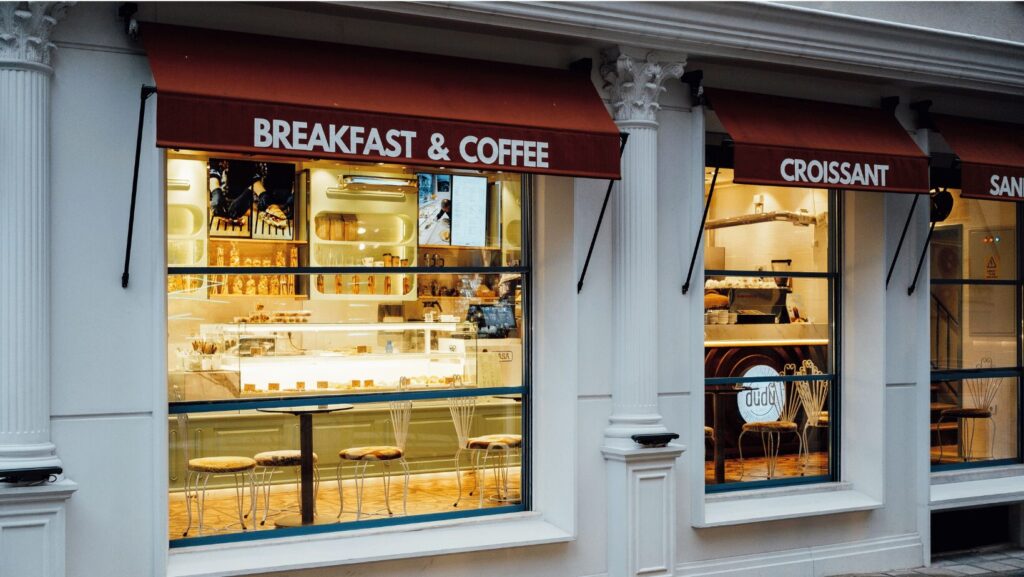
5. Handle Licenses, Permits, and Legal Requirements
The fifth step in opening a coffee shop is about the “less exciting but important” stuff: getting permits, licenses, and legal docs in order.
The specific permits and licenses your coffee shop needs will depend on your business’s details and the city/state you’re in, but here are a few common ones most coffee shops will need to look into:
- Sign permit
- Business license
- Building health permit
- Retail food service license
- Food handler’s permit for each active employee
It’s a good idea to check these out before signing a lease to make sure the location you pick can actually be opened and operated as intended before things go too far.
And, no matter how confident you feel with your state’s regulatory processes, we always recommend getting support (or at least a final check-in) from a legal professional. It only takes one missed license to keep your coffee shop from opening on schedule — and nobody wants that!
6. Build Your Menu, Pricing Strategy, and Supplier Network
The sixth step in opening a coffee shop is building out your menu, pricing, and establishing which suppliers you’ll use.
Like most things, creating a coffee shop menu starts with research. See what’s on other coffee shop menus and what your target market likes best. Then, take that information and start developing your own drinks and food menu items. Pick what to offer, create the recipe, tweak it until you’re happy, then test it with your audience.
You’ll need to spend time pricing your new menu items, too. The food cost formula for coffee shops can help you balance what you need to charge and what customers will actually pay for your menu items.
This stage is also when you’ll reach out to suppliers. You’ll need high-quality, reliable contacts for everything from coffee beans to packaging, and ideally, these relationships will scale alongside your variable costs. And don’t forget: successful shop owners will foster these relationships beyond just the exchange of goods.
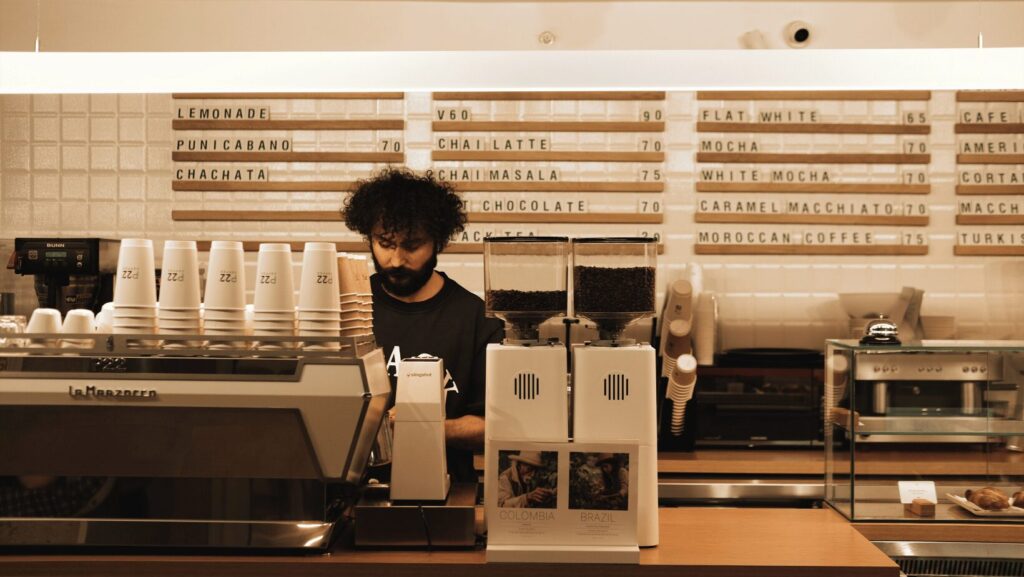
7. Develop Your Brand and Marketing Foundation
Step seven in opening a coffee shop is developing your coffee shop’s brand and marketing foundation.
This step involves a lot of creative decision-making — starting with branding.
You’ll want to create unique elements that represent your brand, from a logo and brand colors to your social media voice and personality. And, as a small business competing with over 94K other American coffee shops, you need branding that helps you stand out from the crowd.
As a coffee shop owner, you’ll also need to think about how your branding applies to your wider marketing efforts. Ask yourself:
- Will you have a branded coffee shop app?
- What marketing does your target market resonate most with?
- Will you create merchandise or packaging with your branding on it?
If you’re not sure where to start with this step, check out our marketing guide for coffee shops. It’s a great way for coffee shop owners (like you!) to make sure your marketing is effective and meaningful.
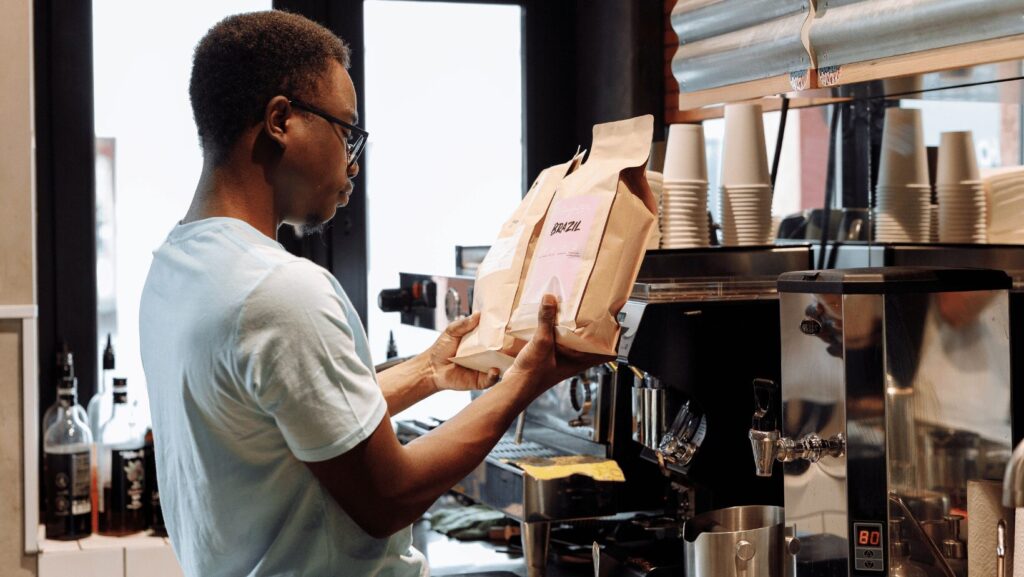
8. Hire Staff and Create a Customer Experience That Keeps People Coming Back
The eighth (and final!) step in opening a coffee shop is hiring the right employees and creating a strong customer experience.
For customers to feel seen and valued, hiring the right people is non-negotiable. Start by hiring a skilled barista (or multiple!) who can balance speed, consistency, and high-quality customer service. Make sure they know their way around an espresso machine or are open to training and uplevelling their coffee-making skills.
Once your staff is hried, you can work with them to build memorable customer experiences that turn one-off visitors into loyal customers. Launch a loyalty program. Keep your coffee shop clean and well-stocked. Answer your online reviews. Do whatever you can to show your customers you hear them and want to make every visit better than the last.
Successful shop owners know that good customer experience isn’t one-and-done. It’s an ongoing commitment that may change as your customers’ needs do, but it always keeps them front and center.
Start working toward the coffee shop of your dreams with our free Coffee Shop Business Plan Template.
FAQs
How much money do you need to start a coffee shop?
Most independent coffee shops spend <$100K to get things off the ground, but that’s not a hard-and-fast rule. Your number will depend on your business structure, startup costs, variable costs, and your existing infrastructure and equipment.
Is owning a coffee shop profitable?
Like any small business, a coffee shop can be profitable if you do what it takes to make it profitable. That means keeping costs low, ensuring each item turns a profit, and investing in things that can help you generate more income (like loyalty programs and mobile apps).
What licenses do you need to open a coffee shop?
The specific licenses you need depend on your city and state. But in general, most coffee shops need a business license, a retail food service license, a building health permit, and food handlers’ permits.
How long does it take to open a coffee shop?
Opening a coffee shop can take anywhere from a few months to over a year. It can take months to find the right location, get your permits in line, fine-tune your menu, and hire your staff, so give yourself time!
What equipment is essential for a new coffee shop?
An espresso machine (with high-quality coffee beans), coffee grinders, a point of sale system, mugs and/or takeout cups, a refrigerator, milk pitchers, scales, thermometers, and a prep table are all essential pieces of equipment for a new coffee shop.
Should you start with a full cafe, kiosk, or mobile coffee business?
The business structure you should start with depends on the funds you have and your goals. A full cafe build is the most expensive, but it’s good for establishing roots in your community. Kiosks and mobile coffee businesses are cheaper to get off the ground, but won’t generate as much revenue as a full cafe.