With 2026 coming to a close — and 2027 only a few short weeks away! — we’ve been reflecting (and marveling) at just how big this year has been for coffee shop marketing.
An AI-powered search presence became a “must-have” instead of a “nice-to-have”…
Gamification is turning a trip to the coffee shop into a fun, interactive experience…
And memberships are taking the world by storm, with people still waiting to become Blank Street Regulars.
But despite the impressive marketing developments the coffee shop industry had in 2026, recent trends have us thinking that 2027 will be a bigger, better, and even more exciting year.
So, without further ado…
Here are eight coffee shop marketing trends we predict will skyrocket in 2027.
Trend 1. AEO and GEO
In 2026, coffee shops have heard about AI in almost every context, from time-saving operational hacks to money-saving marketing tactics
But perhaps AI’s biggest impact on coffee shops this year is reinventing online discovery.
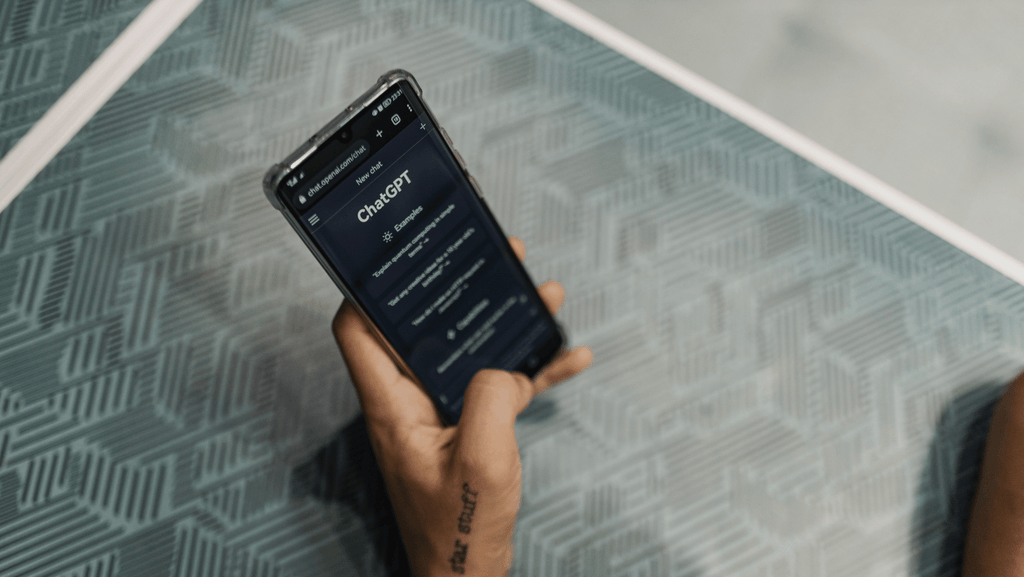
BrightLocal’s 2026 Local Consumer Review Survey found that more and more consumers are turning to ChatGPT and other generative AI tools for local recommendations, with 45% using AI for suggestions this year compared to only 6% last year. Consumers put a lot of trust in AI-generated recommendations too, with 42% of consumers saying they “trust AI platforms as much as traditional reviews for local recommendations.”
This represents a huge opportunity for coffee shops and cafes to get discovered in new and AI-powered ways… but it takes intentional effort to get discovered through AI.
According to SOCi’s 2026 Local Visibility Index, only 1.2% of brand locations are even recommended by ChatGPT at all (versus ~36% of brands that appear in the top three Google results, for example). That makes AI search up to “30x more selective than traditional local search.”
So, how can coffee shops make sure their brands are the ones actually showing up in AI search? Answer Engine Optimization (AEO) and Generative Engine Optimization (GEO) — a new kind of optimization process that helps brands get seen in this new era of search.
In 2027, Craver predicts more coffee shops will start learning and implementing AEO and GEO practices to get their brands seen more often (and more accurately) in AI searches.
Trend 2. UGC and micro-creators (<250)
Social media has long been seen as a “search engine” of sorts, especially for coffee shops and restaurants, but things reached new heights in 2026.
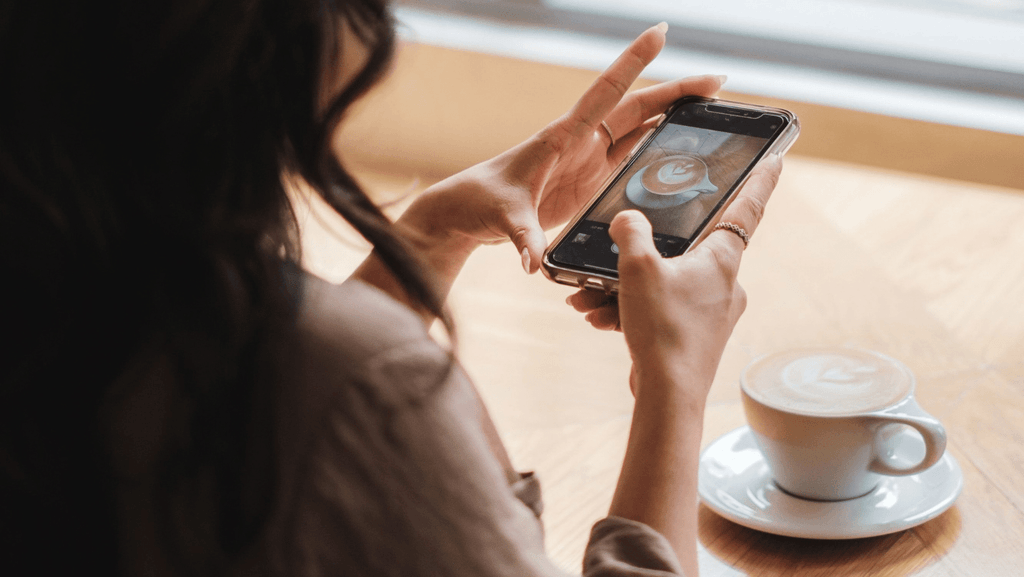
SOCi’s 2026 Local Discovery Index survey found that 55% of respondents had used social media in the last 30 days to find a new local recommendation. What’s more, 59% of respondents decided to try out a new local spot because of what they saw on social media, using the platform both as a discovery and decision tool.
But social media wouldn’t be social media without videos and content for people to consume — which is where influencers and creators come into the picture.
According to research by Modash, people place a lot of trust in the influencers and creators they follow, with 1 in 6 consumers saying they “trust creators as much as their own friends and family.” This trust translates to real action, with 84% of people saying they’ve bought a creator-recommended product, some within a week of being surveyed.
In 2026, tons of coffee shops have explored influencer marketing, like Starbucks x Belmont Cameli, Dunkin x Kylie Jenner, and Tim Hortons x Emily the Recruiter — and it’s showing no signs of slowing down.
In 2027, Craver predicts coffee shop influencer collaborations will only get more mainstream, helping brands take advantage of social search (and better connect with their audiences).
Trend 3. Owned-channel push notifications
This year, we’ve talked a lot about the benefits of owned channels vs. third-party apps.
Why getting customers to order directly from your business instead of a third-party app is better for long-term retention. How third-party platforms can be good for discovery, but every repeat order is a missed opportunity. And just how quickly the fees can add up when you use third-party services, from commission fees to service charges.
Turns out, the same “owned channel over third-party” principle applies to marketing, too — especially push notifications.
While DoorDash, Uber Eats, Skip the Dishes, and other third-party apps do offer push notifications, they only direct users back to the third-party app.
So, even if that push notification does result in a sale, that sale is subject to commission fees, service fees, marketing fees… plus, you don’t even get any customer data to leverage in your next round of notifications.
In 2026, we’re seeing a lot of coffee shops taking back ownership of their marketing and push notification efforts by switching to owned-channel apps (like ours!). That way, businesses are paying 0% commission, getting all their customer data, and regaining complete control over what push notifications they send and when — and Craver predicts we’ll be seeing a lot more brands make this shift in 2027.
→ Learn how to make the most of every push notification with our “Push Notification Best Practices” blog!
Trend 4. AI marketing tools
Throughout 2026, the coffee shop industry has become much more AI-savvy than before — especially with AI solutions for coffee shop marketing.
According to BCC Research from last year, ~20% of food and beverage marketers have already integrated AI into their day-to-day operations.
AI-driven marketing in particular has become an increasingly popular tool for coffee shop owners and operators because of its ability to optimize your efforts, handling just about every part of the marketing process for you.
Look at Weaver’s Coffee & Tea, for example.
This year, the San Francisco-based coffee shop has leaned more heavily on AI tools to support almost all of their marketing efforts.
Weaver’s has found AI to be an incredible tool for “[enhancing] the Weaver’s experience” across every customer touchpoint. The brand’s AI coffee assistant, HAL 8122™, has been helping the brand with all things marketing, from personalized communications and targeted advertising to content creation and social media.
“As a woman founder in the heart of the San Francisco Bay Area, I’ve always believed that technology should enhance craftsmanship—not replace it,” says Weaver’s co-founder, Renée Brown. “Today, [AI] is revolutionizing [the coffee] industry, and we’re proud to lead this transformation with purpose, creativity, and care.”
And, with new AI marketing tools emerging on what seems like a daily basis — like Surfer SEO and Claude, for example — Craver predicts AI-driven coffee shop marketing will only continue to grow in 2027.
Trend 5. Hyper-personalized loyalty programs
In September 2026, an Attentive report revealed that 64% of customers “want more personalized communications” than they’re currently getting.
So, when coffee shop marketers started recognizing this growing penchant for personalization, they responded by developing hyper-personalized loyalty programs. This offering has skyrocketed in popularity among coffee shop owners and operators of all sizes this year — including popular brands like Blue Bottle Coffee.
In September 2025, California-born Blue Bottle Coffee announced the launch of their first-ever loyalty program, “[designed] to make every coffee ritual more rewarding and shareable.”
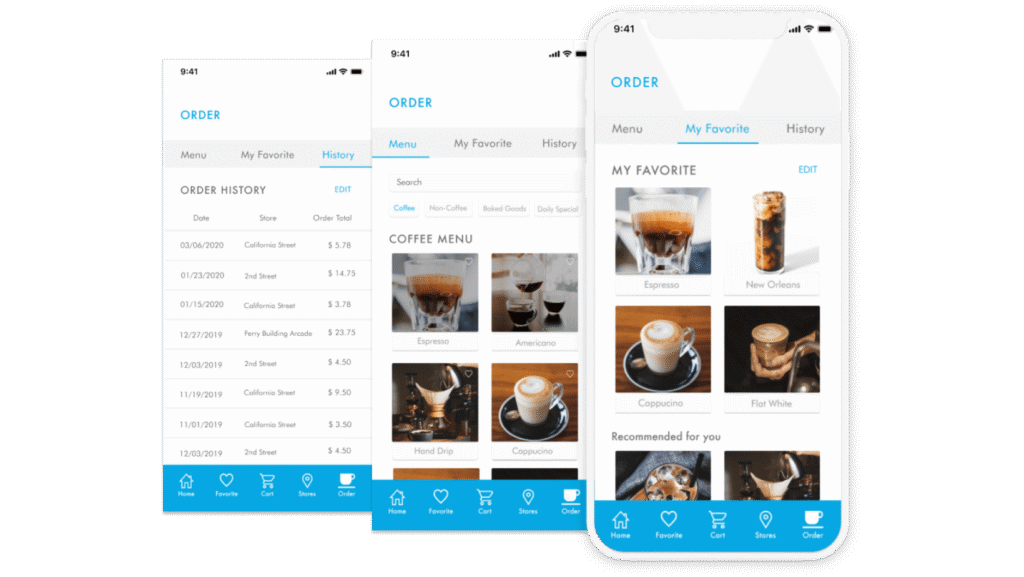
Those who join Blue Bottle Coffee’s loyalty program earn 1 point per dollar spent, alongside other perks like 150-point redemption tiers, surprise “Just Because” rewards and discounts, and personalized offers that are unique to each member’s history and preferences.
“We believe generosity is a powerful expression of hospitality,” said Simone Hodges, Chief Brand & Experience Officer at Blue Bottle Coffee. “With our new membership program, we’re giving our guests more ways to share the coffee they love, whether gifting a drink to a friend or being surprised with a reward for no reason at all.”
And while official membership numbers haven’t been shared, Blue Bottle fans are vocal on social media about how great the program is — and it was even named in an August 2026 Bon Appétit piece about the best coffee shop subscriptions.
With Blue Bottle’s personalization success — and the growing number of tech options available to smaller businesses — Craver predicts even more coffee shop loyalty programs will emerge in 2027, offering consumers better, more personalized rewards than ever before.
Trend 6. Gamification
Gamification marketing — a tactic that turns regular marketing into an engaging game — has become a go-to strategy for coffee shops in 2026.
Typically part of a coffee shop’s hyper-personalized loyalty program, gamification marketing offers a way for your customers to have fun and get rewarded for it.
And, as it turns out, the Loyalty Program Trends Report by Open Loyalty says gamification is the most impactful loyalty trend for consumers in 2026, with brands planning to increase their gamification efforts over the next few years.
And, this year, Dunkin’ Donuts showed us all what that “gamified enjoyment” could look like in action (and what it “looked like” was a smashing success).
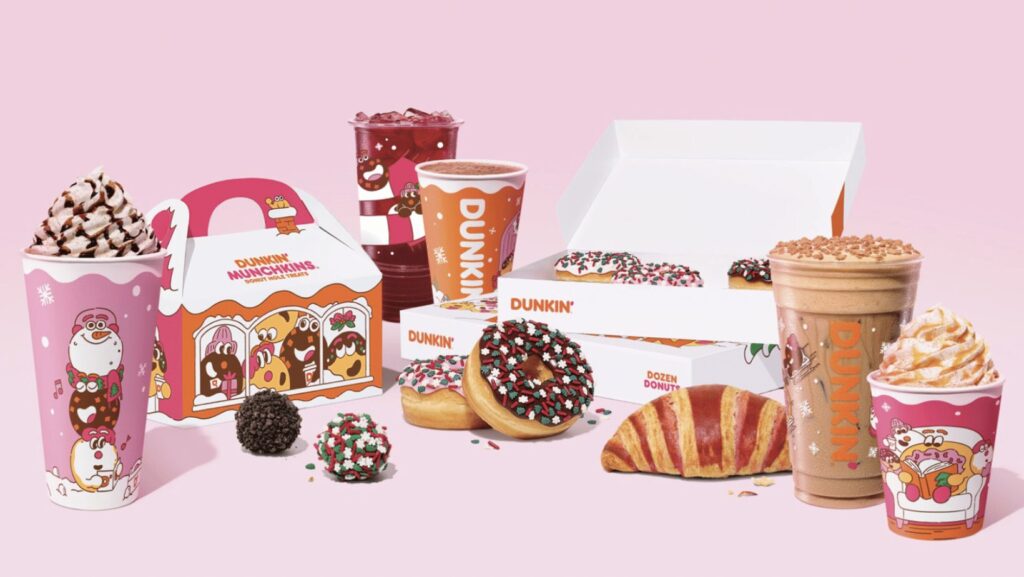
When Dunkin’ shared their 2026 Halloween menu, they also announced a complementary set of seasonal challenges and incentives for members.
Visiting on October 26th, for example, will earn Dunkin’ Rewards members 4x the points on beverages, while ordering MUNCHKINS Donut Holes on Halloween will get you triple the points.
“When we set out to improve DD Perks, we asked our members what they wanted to see in a new program,” said Scott Murphy, head of the beverage-snack category and Dunkin’ Donuts President. “They told us three things: flexibility, variety, and recognition. And we did just that.”
Brands like Dunkin’ Donuts have used this year to show the industry that gamification marketing can — and does — work, and Craver predicts 2027 will have a lot more “fun-and-engaging” coffee shop marketing because of it.
Trend 7. Subscriptions & Memberships
We’ve talked about the reinvented coffee shop subscription model in the past — one that delivers its subscribers benefits instead of beans.
Fast forward to today, and coffee shops are still going strong on the subscription and membership train… and for good reason. The coffee subscription market was last valued at 934 million USD (with an impressive 11.1% growth rate predicted for the next decade).
Plus, there’s “real life” proof of concept, too — like Blank Street Coffee.
Back in 2023, Blank Street launched their monthly subscription-slash-membership service, Blank Street Regulars. By January 2024 — only four short months after launching — the program had already reached ~5,000 Regulars (with over 4,000 people on a waitlist).
Now, in 2026, the waitlist is still holding strong… but that’s not stopping their company from growing in other ways at the same time.
April 2026 saw $100M in new funding. July 2026 had a celebrity-endorsed summer line of drinks. And August 2026 brought a $105M expansion into California.
And, if that weren’t impressive enough, the Regulars program has been successful beyond the waitlist, too.
“People on the program would normally come to us—without the program—maybe two or three times a week,” said Vinay Menda, one of Blank Street’s co-founders. “But with the program, they’re coming six times a week. It’s really making this a daily ritual. We’re excited to scale it.”
With the coffee subscription market’s projected growth and the proven success of Blank Street’s subscription in 2026, Craver predicts 2027 will only bring more coffee shop subscription and/or membership models.
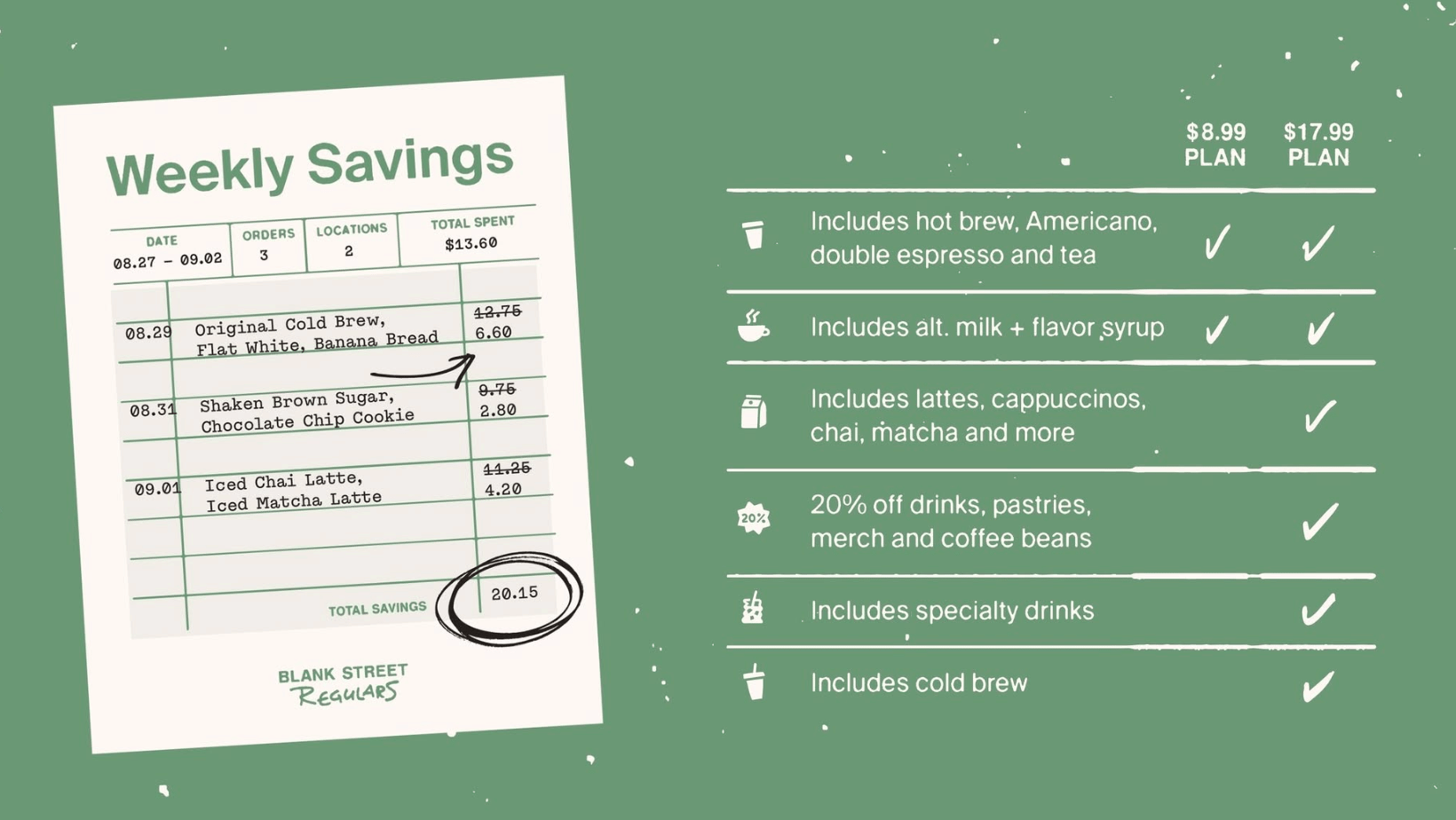 Source: Blank Street
Trend 8. Experiential & event-based marketing
In 2026, consumers made it very clear they want more experiential marketing from the coffee shops they frequent.
McKinsey’s State of the Consumer 2026 Report says today’s consumers are gravitating toward an “experience economy,” intentionally seeking out experiences that offer them quality time with loved ones, feelings of relaxation and excitement, or an opportunity to learn something new.
InMarket’s Q1 2025 Coffee & Snack Shops Fidelity Index says “[connecting] value with notable events”— AKA experiential marketing — is a great way to stand out in a competitive coffee landscape, as “well-timed promotions” and experiences can “boost relevance, capture attention, and deliver value” for your customers.
And one of this year’s best examples of boosting relevance with experiential marketing?
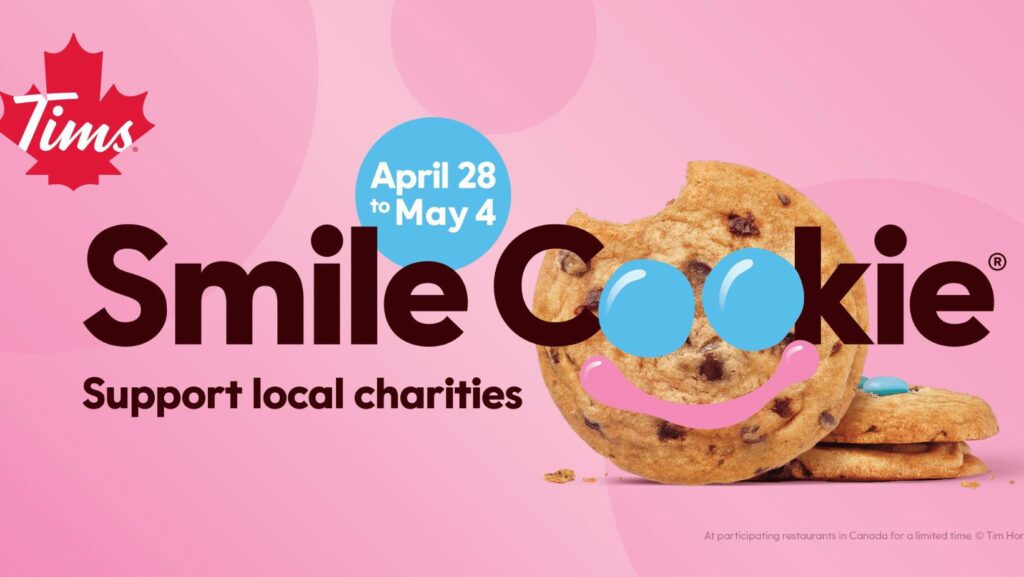
Tim Hortons’ Smile Cookies.
The smile-faced cookie campaign has been wildly successful since its launch in 1996 because the brand has mastered the art of turning a simple chocolate chip cookie into an experience.
The Cookies’ twice-yearly launch has become nothing short of a cultural event, with social media posts poking fun at lopsided smiles and Reddit threads appreciating the best smiles they’ve seen. Plus, the money-raising aspect of Smile Cookies means consumers can feel good about participating, too.
“The annual Smile Cookie campaign is a powerful reminder of what community truly means,” said Axel Schwan, President of Tim Hortons, back in April 2026. “With nearly 700 local charities and community groups supported this year, the reach of this campaign has never been greater. We encourage everyone to visit their local Tims and join us in making a difference.”
In 2027, Craver predicts more coffee shops will test out experiential marketing, taking simple drinks and snacks and transforming them into memorable, meaningful experiences, events, and cultural phenomena.
ChatGPT Marketing Prompts for Cafes Guide
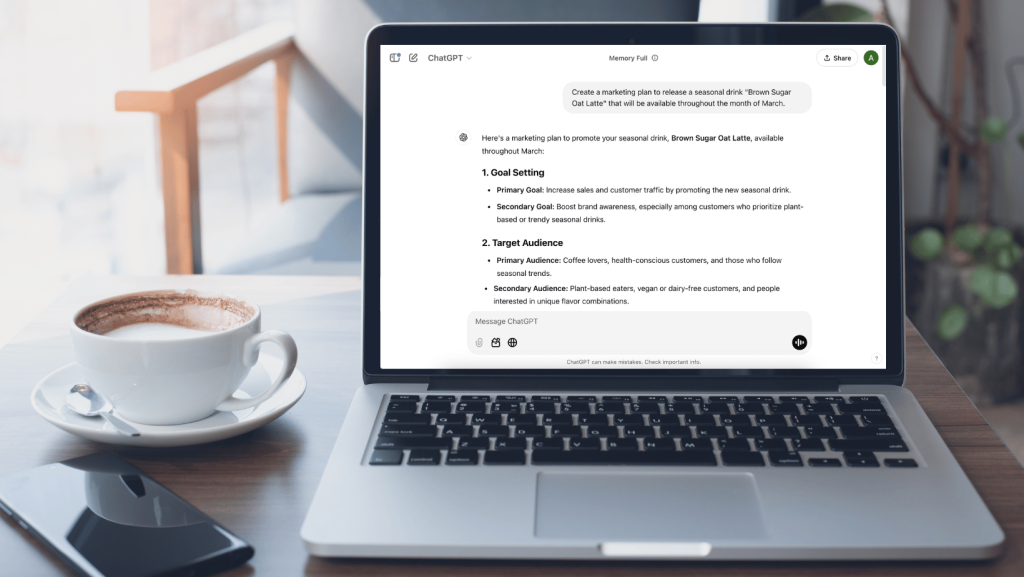
If you’re ready to start hopping on these marketing trends but aren’t sure where to begin, AI-driven marketing is the perfect starting point.
Our ChatGPT Marketing Prompts Guide is designed to help coffee shop owners start using AI quickly and effectively, including:
- Simple tips to help you write stronger, more effective prompts in just one request.
- Copy-and-paste prompts to generate fresh content ideas in seconds.
- Ready-to-use prompts to help you create marketing materials like social posts, promotions, and outreach campaigns faster.
With the right prompts, you can spend less time figuring out what to ask AI — and more time putting great marketing into action.