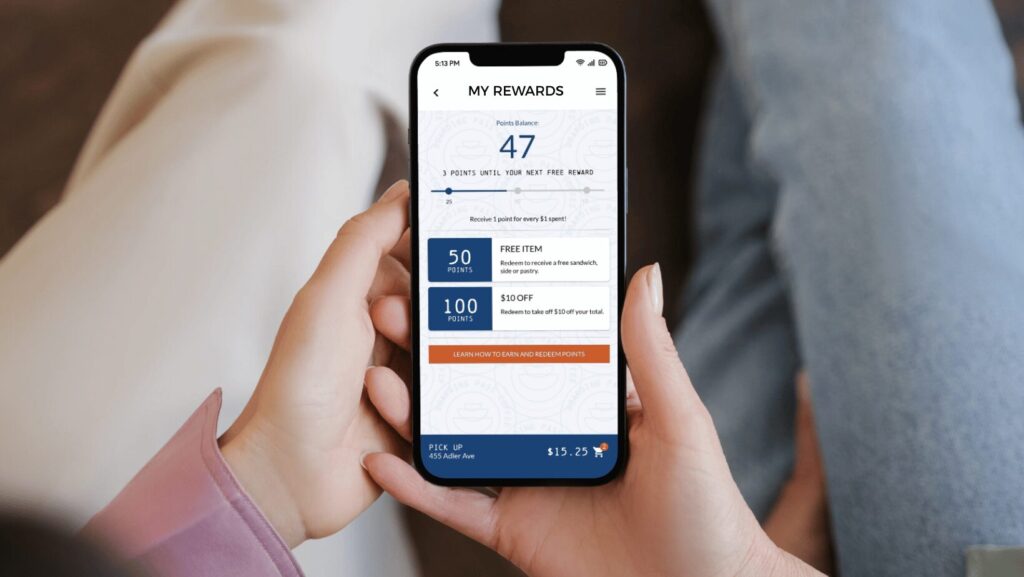
We’ve all heard success stories about restaurant rewards programs.
Earlier this year, Chipotle’s rewards program exceeded 20 million active members, and Starbucks reported that over 59% of transactions came from rewards members.
But what exactly makes them so addictive to consumers?
Simple: they’re built on powerful psychological drivers that keep people coming back for more.
In this blog, we’re breaking down the psychology of restaurant rewards programs, from the top five concepts behind effective rewards programs to tips for creating a restaurant rewards program that’s just as addictive as the big players.
Let’s dive in.
Goal gradient effect
The goal gradient effect is a psychological concept that suggests the closer people get to achieving a goal, the harder and faster they’ll work to reach it.
So, in the context of restaurant rewards programs, the closer your consumer is to getting a reward, the more effort they’ll put in to actually get the reward.
For example, let’s say your restaurant rewards program offers a free item at 100 points. The person sitting at 90 points is more likely to come back and spend whatever they need to get those extra 10 points compared to the person who only has 15 points. This is how making progress in a rewards program can motivate customers to keep spending and earning.
Customer perceived value
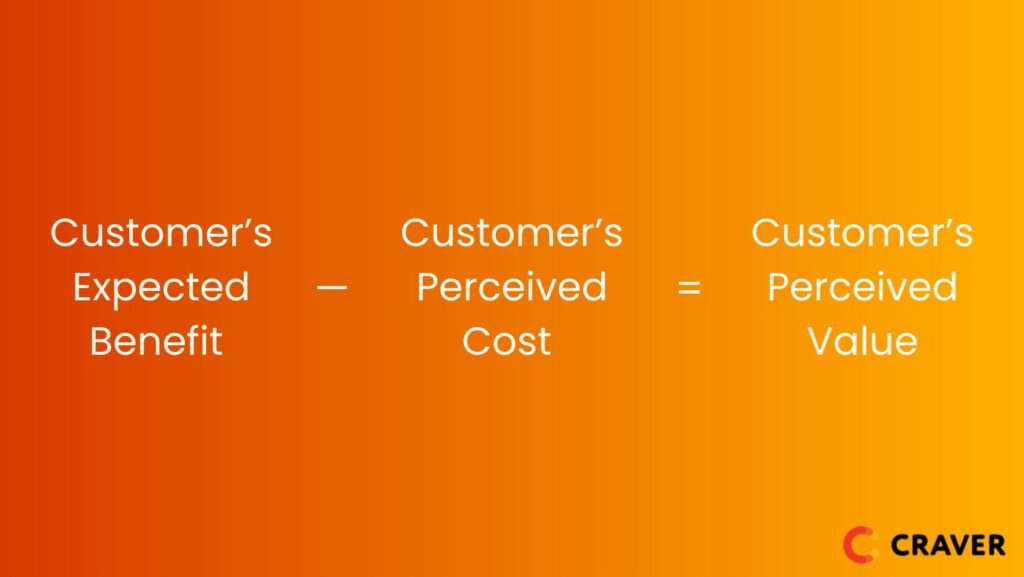
A customer’s perceived value is how much they believe something to be worth based on that thing’s benefits vs. its cost. According to HubSpot, the formula for this psychological belief is expected benefit – perceived cost = perceived value.
This is one of the reasons restaurant rewards programs are so effective. It’s satisfying for customers to watch their points balance climb, especially when they visually see how close the next reward is. Then, when they finally get to redeem their hard-earned points, the concept of “free” items is so exciting that it doesn’t really matter how much they spent to get there.
As long as your restaurant rewards program offer benefits your customers actually want, then perceived value will always work in your favor.
Loss aversion
Loss aversion is a concept that suggests people hate the feeling of losing more than they enjoy the feeling of winning.
When applied to restaurant rewards programs, loss aversion means that customers might be more inclined to take advantage of a deal or promotion because they don’t want to “lose” it.
For example, imagine your restaurant rewards program has a promotion for a limited-time deal, like a free appetizer on Tuesdays. Even if a customer wasn’t planning on visiting your restaurant on that specific Tuesday — and even if they’ve never been interested in that specific appetizer before — they may redeem the promo anyway, because it feels bad to miss out on the opportunity.
Sunk cost fallacy
The sunk cost fallacy is a concept that suggests the more people invest in something — whether time, money, or emotional effort — the more likely they are to keep going.
This is a big contributing factor to why restaurant rewards programs are so impactful. Because of the sunk cost fallacy, customers may be more likely to continue participating in your rewards program the longer they’ve been a member (because of how much time they’ve already put in), or the higher the rewards level they achieve (because of how much money they’ve already spent).
Keeping your customers engaged in your restaurant rewards program is key here, because the more they put in, the more they’ll want to stick around.
The scarcity principle
The scarcity principle suggests that, when a person sees something as exclusive or hard to get, they’ll place greater value on that thing (even if it’s not actually that exclusive in real life).
One way restaurant rewards programs leverage the scarcity principle is through tiered loyalty offerings, like Silver, Gold, and Diamond rewards levels, for example.
Top loyalty tiers aren’t typically easy or fast to achieve, so not many people will actually become Diamond-tier members. The scarcity principle makes Diamond-tier loyalty an incredibly exclusive, high-value milestone for customers, which can boost motivation and encourage repeat visits for those working toward that status symbol.
Exclusive experiences can go a long way in holding customer interest in your restaurant rewards program!
Tips for creating addictive restaurant rewards programs
- Lean into the goal gradient effect with variable effort — Your customers can feel discouraged if rewards take too long or are too hard to earn. Make sure your restaurant rewards program has a mix of low-effort rewards that keep motivation up and high-effort rewards that encourage the goal gradient effect.
- Leverage customer perceived value with good rewards — The best way to make sure your customers perceive your restaurant rewards program as high value? Deliver rewards that they’re actually interested in! Pay close attention to what your customers respond to best, and give your customers more of what they want.
- Play into loss aversion with limited-time offers — Nobody wants to miss out on one-of-a-kind deals or experiences. Lean into loss aversion by adding limited-time deals and offers to your restaurant rewards program, creating a FOMO that makes your customer base eager to jump on your fun, exclusive opportunities.
- Use visuals and gamification to leverage the sunk cost fallacy — Keep customers committed to your restaurant rewards program by showing them the fruits of their labor. Consider adding a visual rewards-tracking element (like Starbucks’ star counter) and/or gamifying the rewards earning process to help people stay engaged and excited.
- Promote the scarcity principle with exclusive experiences — Take advantage of the scarcity principle by creating a restaurant rewards program with offers and experiences your customers can’t find anywhere else. Experiment with things like app-only deals, flash sales, and one-and-done discounts, and see what sticks with your customer base.
Creating restaurant rewards programs that work is easier with Craver.